How to Use Mimosa Hostilis: A Step-by-Step DIY Guide
Understanding Mimosa Hostilis
Mimosa Hostilis, also known as Jurema, is a plant native to the northeastern region of Brazil. Its root bark is renowned for its various uses, from traditional medicine to natural dyeing. This guide will walk you through how to use Mimosa Hostilis in a DIY setting.
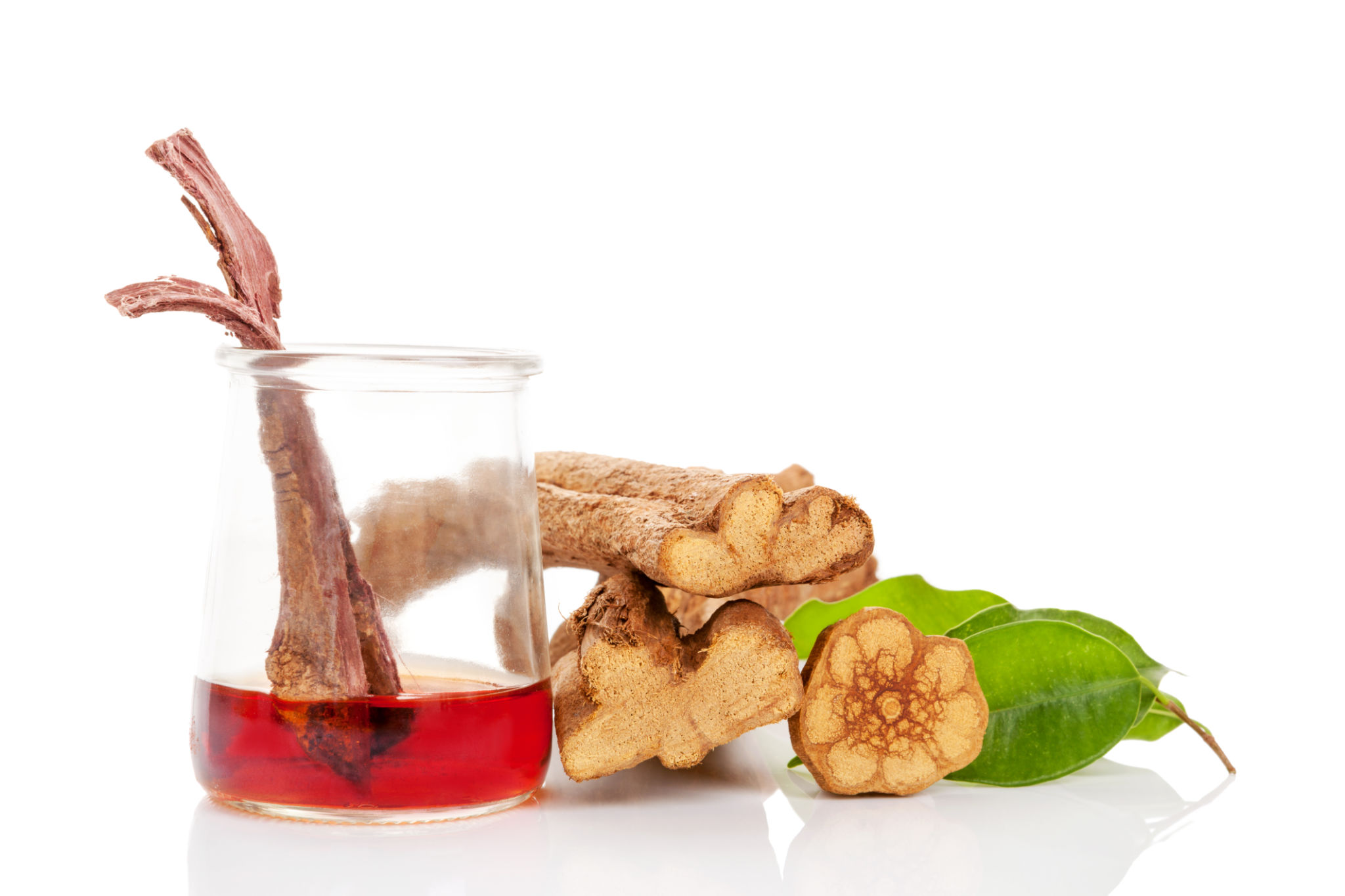
Gathering Your Materials
Before you begin, it's crucial to gather all necessary materials. You will need:
- Mimosa Hostilis root bark
- A grinder or mortar and pestle
- Protective gloves
- A large pot
- Water
Having these items on hand will ensure a smooth process.
Preparing the Root Bark
Start by grinding the Mimosa Hostilis root bark into a fine powder. This increases the surface area and aids in the extraction process. If you don't have a grinder, a mortar and pestle will work just as well. Wear protective gloves to avoid any irritation during handling.

Creating the Infusion
Place the ground root bark into a large pot, and add enough water to cover the material. Bring the mixture to a gentle boil, then reduce the heat and let it simmer for about 2 hours. This will help release the beneficial compounds from the root bark.
After simmering, strain the liquid to remove any solid particles. The resulting infusion can be used for various applications, from dyeing fabrics to creating skin care products.

Exploring Its Uses
Mimosa Hostilis is known for its vivid purple dye, which can be used to color natural fabrics like cotton and wool. To dye fabric, simply immerse it in the prepared infusion and let it soak for a few hours. Rinse and dry the fabric to set the color.
Safety Considerations
It's important to handle Mimosa Hostilis with care. Always use protective gear when grinding the root bark and during the boiling process. Ensure the area is well-ventilated to avoid inhaling any fumes.
While Mimosa Hostilis offers various benefits, it's crucial to respect local regulations regarding its use, as its legality varies by region.
Conclusion
Using Mimosa Hostilis can be a rewarding DIY project, offering unique natural applications. Whether you're interested in natural dyes or exploring traditional uses, following these steps will ensure a successful experience. Remember to handle the plant with care and enjoy the process of crafting something unique.